
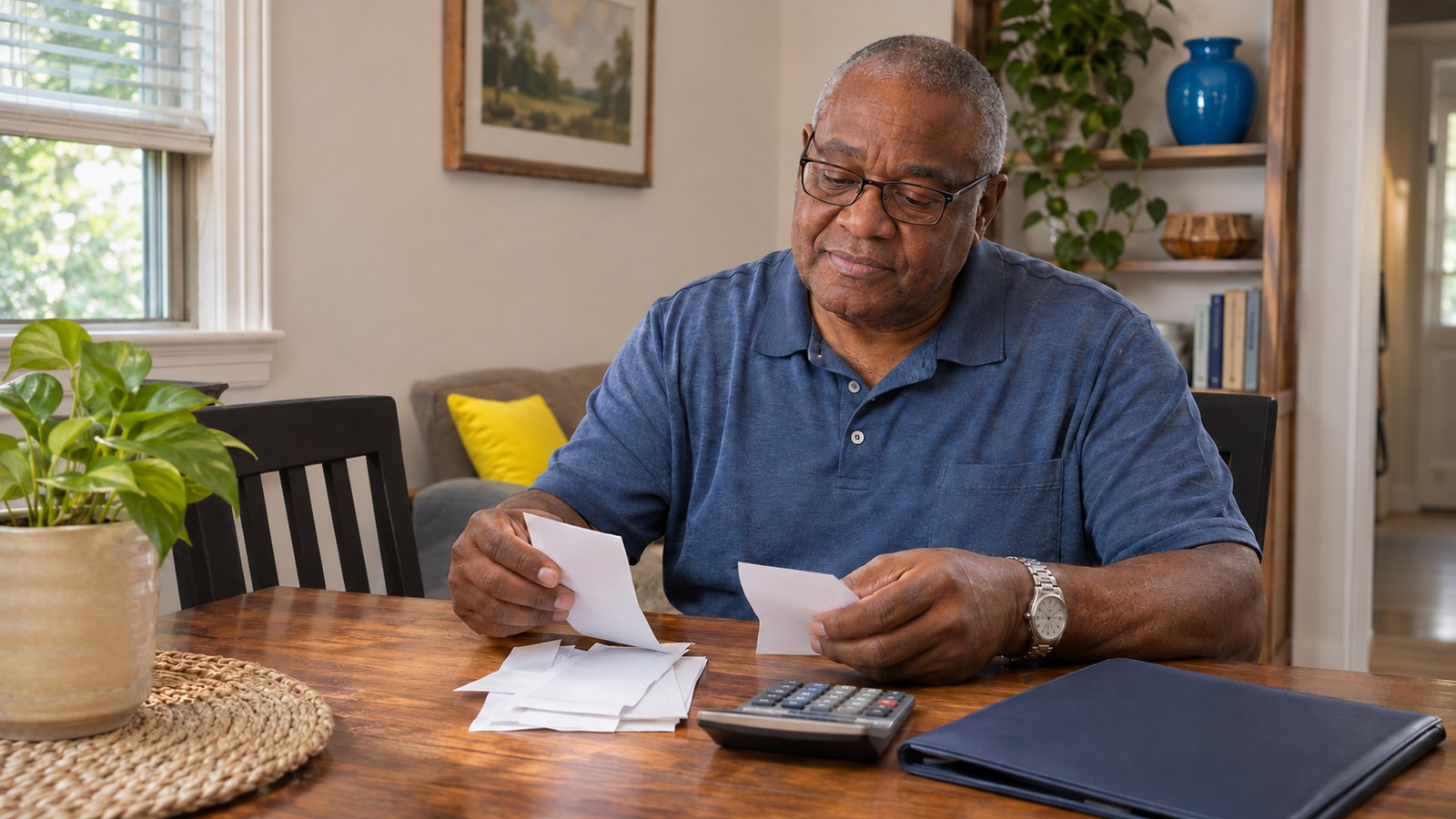
A self-managed HOA can have a capable treasurer and still miss an important financial task. An invoice stays in a director's inbox, a reserve transfer is overlooked, or a renewal reaches the board after the price has changed. These problems often start with unclear responsibilities rather than a lack of effort.
A financial checklist for self-managed HOA boards should connect each recurring task to a responsible person, a review date, and evidence that the work was completed. That gives volunteers a manageable routine and helps the whole board understand what needs attention.
Use the following schedule as a starting point. Adapt it to your association's governing documents, financial activity, professional advice, and applicable requirements. The monthly and quarterly intervals below are recommended operating routines, not statements of legal deadlines.
Start by identifying who prepares the financial information, who reviews it, and who can act when the usual volunteer is unavailable. The treasurer may coordinate the process, but other directors should understand how the association receives money, approves expenses, and keeps records.
Keep one shared task register. For each recurring responsibility, record the person doing the work, the reviewer, the target date, and the location of the supporting record. Use a status such as waiting for information, ready for review, or complete. An email saying someone is working on it is not evidence that the task is finished.
Avoid making one director the only person who can retrieve a bank statement or locate an unpaid invoice. Where a small board cannot separate every financial duty, arrange a documented review by another authorized director or a qualified professional. The goal is a workable process with visible oversight.
Financial work continues when the board is not meeting. Set a regular time to check incoming payments, pending invoices, upcoming due dates, and questions that could delay processing. A small association may have fewer transactions, but an overlooked insurance bill can still create a serious problem.
Match each invoice to the vendor, the service or purchase, and the association's approval process. Confirm that work was delivered before authorizing payment. When payment instructions change, verify the change using a previously established contact method before updating the vendor record.
Save the invoice, approval, and payment confirmation together. For incoming funds, retain enough information to connect the receipt to the correct owner account or other source. Resolve unidentified deposits and duplicate entries instead of carrying them forward without explanation.
Choose a realistic monthly review date based on when statements and accounting reports are available. A reviewer needs a complete package, not scattered screenshots from different points in the month. Use the same reporting period throughout the package and identify anything still outstanding.
Directors who need help interpreting the reports can use Vanguard's guide to reading HOA financial statements. This checklist establishes the recurring review; that guide explains what the reports mean.

The monthly review should produce a short list of decisions and follow-ups. If a landscaping expense is higher than expected, identify whether the difference comes from an approved additional service, an invoicing error, a timing issue, or a recurring price change.
For each exception, name the person who will investigate it, the next step, and the date the board expects an answer. Record decisions through the association's appropriate approval and meeting procedures. Financial information alone does not authorize a volunteer to change a contract or spend outside their authority.
Vanguard's explanation of HOA budget variances can help directors distinguish a temporary timing difference from a change that requires action. Keep the checklist focused on whether the question was answered and what the board decided.
Decide who checks owner balances, answers payment questions, investigates posting errors, and coordinates the next step when an account remains overdue. Record account-specific information in a restricted system rather than an open volunteer spreadsheet.
An unpaid balance should not sit unresolved because directors assume someone else sent the notice. Equally, the board should not escalate an account without confirming the records and following applicable procedures. Use a consistent process and involve association counsel when legal collection questions arise.
The checklist should record the status, responsible person, and next review date. Use Vanguard's guide to managing delinquent HOA assessments for the broader collection workflow instead of improvising a new approach for every owner.
Set aside time each quarter to look beyond the most recent statements. Review expected cash needs over the next several months, including contract renewals, insurance premiums, seasonal services, planned repairs, and other commitments that may not arrive evenly throughout the year.
Ask whether the approved budget still provides a realistic view of the work ahead. If a vendor has announced a price change, assign someone to obtain the revised terms. If a common-area component is deteriorating, obtain appropriate professional input and a current cost estimate before the issue becomes urgent.
These checks connect the physical condition of the community with its financial planning. Vanguard's guide to building an HOA reserve funding plan explains how boards can turn a completed study into funding decisions. Confirm the rules that apply to your association before changing reserve contributions or using reserve money.

Put budget preparation, insurance renewals, tax work, financial reporting, and other recurring obligations on one annual calendar. Work backward from the actual due dates to allow time for information gathering, professional review, board decisions, and any required notices.
Assign someone to confirm the applicable requirements with the association's accountant, attorney, insurance adviser, or other qualified professional. Florida homeowners associations and condominium associations can have different obligations. Do not reuse a neighboring community's calendar without checking whether it applies.
Tax preparation deserves a specific owner and a complete handoff. Gather the requested financial records, prior returns, and other supporting information early enough for the preparer to resolve questions. The IRS information about Form 1120-H explains the form used by qualifying homeowners associations to elect certain tax benefits. Ask the association's tax professional which return and treatment are appropriate; self-management does not answer that question.
For the budget portion of the calendar, use Vanguard's guidance on preparing for an HOA budget meeting. The checklist should identify when preparation begins and who supplies each input, while the budget meeting process handles the actual discussion and approval.
Treat access to financial systems as part of the financial routine. When a director changes roles or leaves the board, review authorized access with the bank and each relevant provider. Remove access that is no longer appropriate and confirm that the association retains the records it needs.
Use individual authorized accounts where supported, protect recovery methods, and avoid relying on a departed volunteer's personal email address. Enable multifactor authentication where available. CISA's multifactor authentication guidance explains this additional layer of account protection.
Make sure a properly authorized backup can locate statements, current financial reports, pending bills, professional contacts, and the next deadlines. They should use their own approved access rather than a shared password. Vanguard's overview of HOA financial controls provides more detail on approvals, access, and documentation.
A useful checklist leaves a record the next person can understand. A reconciliation is complete when it has been prepared, reviewed under the association's process, and saved with any unresolved items identified. A tax task is not complete merely because documents were sent to the accountant; someone still needs to track questions and the final filing status.
Keep completion notes brief and factual. Record what was reviewed, where the supporting evidence is stored, what remains unresolved, and when it will be checked again. Apply appropriate privacy and access controls to owner and banking information.
Review the checklist itself after a few cycles. Remove duplicate reminders, clarify confusing assignments, and adjust internal target dates if reports consistently arrive later than expected. A useful routine should make the work easier to follow, including for a newly elected director.
If the same tasks remain unfinished every month, determine whether volunteers have enough time, access, and experience to complete them. Adding another reminder will not solve a recurring accounting gap or create an independent reviewer.
Vanguard's Self and Assisted Management services include accounting, assessment processing, expense-payment support, and online tools. A board can discuss which responsibilities it wants to retain and where professional support would help. The agreed scope should make clear who prepares information, who approves decisions, and who follows up on unfinished work.
For a Tampa Bay self-managed HOA, a financial checklist is a practical way to see where work is under control and where the board needs help. Request a proposal from Vanguard Management Group to discuss support that fits your association's financial workload and volunteer capacity.
This article provides general operational information, not legal, tax, or accounting advice. Confirm requirements for your association with qualified professionals.
RELATED ARTICLES: